Tacloban school shooting: Just how safe are students in the Philippines?
By Czarina Nicole Ong Ki
A mother’s routine act of walking her child to school, giving a warm embrace, and waving goodbye turned into an unimaginable tragedy following the June 22, 2026 shooting incident at San Jose National High School in Tacloban City.
The attack, which claimed the lives of three students and injured seven others, has shocked the nation and raised serious concerns about the safety and security of Filipino schools. Authorities reported that two teenage boys, aged 14 and 15, allegedly brought firearms into the school and carried out the attack as retaliation for years of bullying.
The incident marks a disturbing development in the Philippines, where school shootings have historically been rare. It has prompted urgent questions about how the suspects obtained firearms and how they were able to bring them onto school grounds despite existing security measures.
The tragedy has also highlighted broader concerns regarding violence in educational institutions. Prior to the shooting, reports of school-related incidents such as stabbings, hazing-related deaths, severe bullying, intimidation, and sexual harassment had already sparked discussions about student welfare and campus security.
In a statement, the Child Rights Network emphasized that schools should remain safe environments for children.
“Schools are meant to be safe spaces where children can learn, play, build healthy relationships, and discover who they want to become. They are not meant, and should never become, places where children, teachers, and school personnel have to run, hide, or fear for their lives,” the organization said.
While government agencies and public officials have condemned the attack, many observers note that concrete plans to address security gaps in schools have yet to be fully presented. Concerns are particularly significant for public schools, where funding limitations may affect the implementation of safety measures.
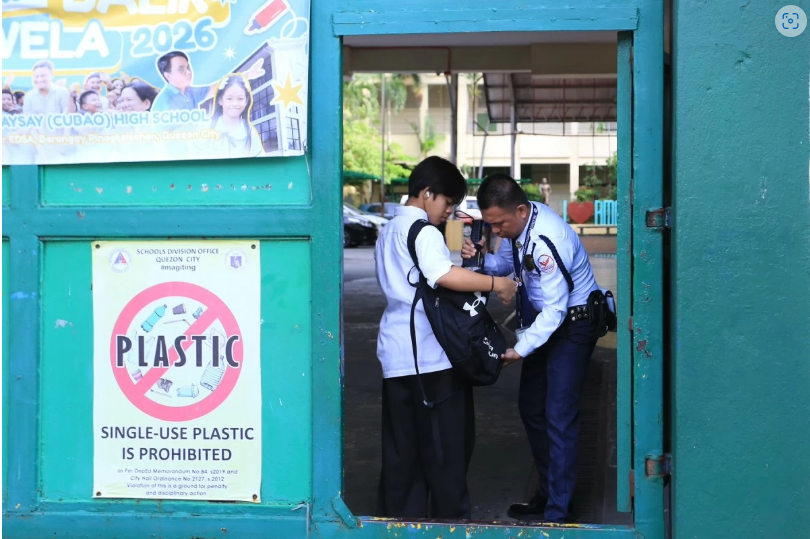
The Department of Education (DepEd) has existing policies that mandate strict school safety and crisis response protocols. These include regulated entry and exit procedures, inspections of bags and personal belongings, and prohibitions against bringing contraband onto school premises.
However, the Tacloban incident has raised questions about the effectiveness and consistency of these measures across schools nationwide.
Some private institutions have adopted additional precautions. At Achievers Special Education Center in Angeles City, Pampanga, school officials emphasize the importance of cooperation among parents, teachers, and administrators in maintaining student safety.
School representatives encourage parents and guardians to maintain open communication with their children regarding their well-being and activities. Parents are also advised to regularly check their children’s belongings before they leave for school.
For younger students, teachers assist in inspecting bags and retrieving assignments, while security personnel conduct routine checks during drop-off and pick-up periods.
As investigations continue, the tragedy in Tacloban serves as a stark reminder of the need to strengthen school security, improve mental health support, address bullying, and ensure that educational institutions remain places of learning rather than fear.
Courtesy: Manila Bulletin